Legal Requirements for EICR
NAPIT Approved • BS 7671 Compliant • Expert Electrical Guidance
The Legal Requirements for EICR help homeowners, landlords and businesses understand their responsibilities for maintaining safe electrical installations. Learn when an EICR is legally required, who needs one and how compliance supports electrical safety and current UK regulations.
- Understand Legal Responsibilities
- Learn When an EICR Is Required
- BS 7671 Electrical Guidance
- Expert Compliance Advice
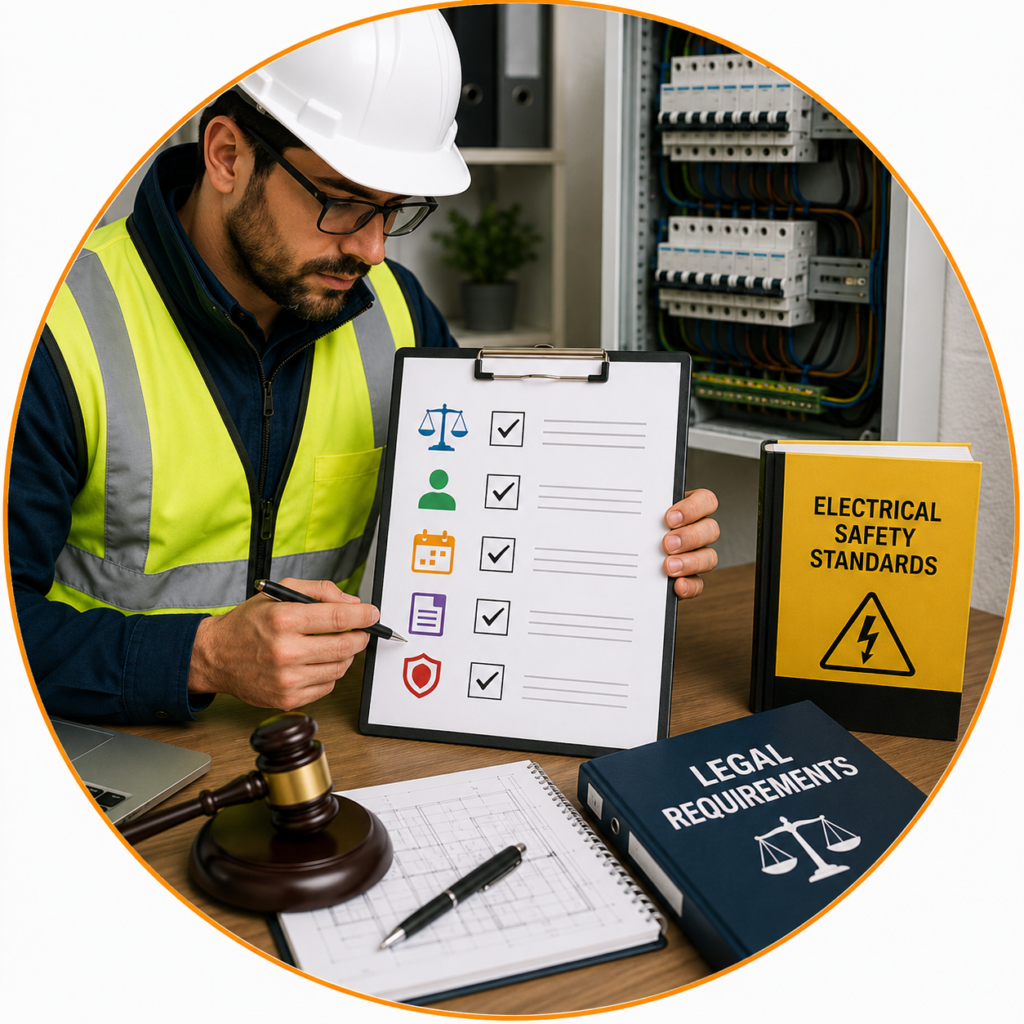
Professional Legal Requirements for EICR
Understanding the Legal Requirements for EICR helps property owners meet electrical safety regulations. Learn when an EICR is required, recommended inspection intervals, and how to keep your electrical installation safe and compliant.
Trusted Certifications & Accreditations

NAPIT Approved Contractor
Our qualified electricians carry out EICR inspections in accordance with recognised industry standards and current UK wiring regulations.

Registered Competent Person
Certified professionals provide Legal Requirements for EICR guidance through accurate electrical inspections, testing and regulatory compliance.

City & Guilds Qualified
Professionally trained electricians support Legal Requirements for EICR with expertise in electrical inspections, safety standards and EICR reporting.

MyBuilder Verified
Trusted by homeowners, landlords and businesses for reliable Legal Requirements for EICR guidance and professional electrical services.
How We Help
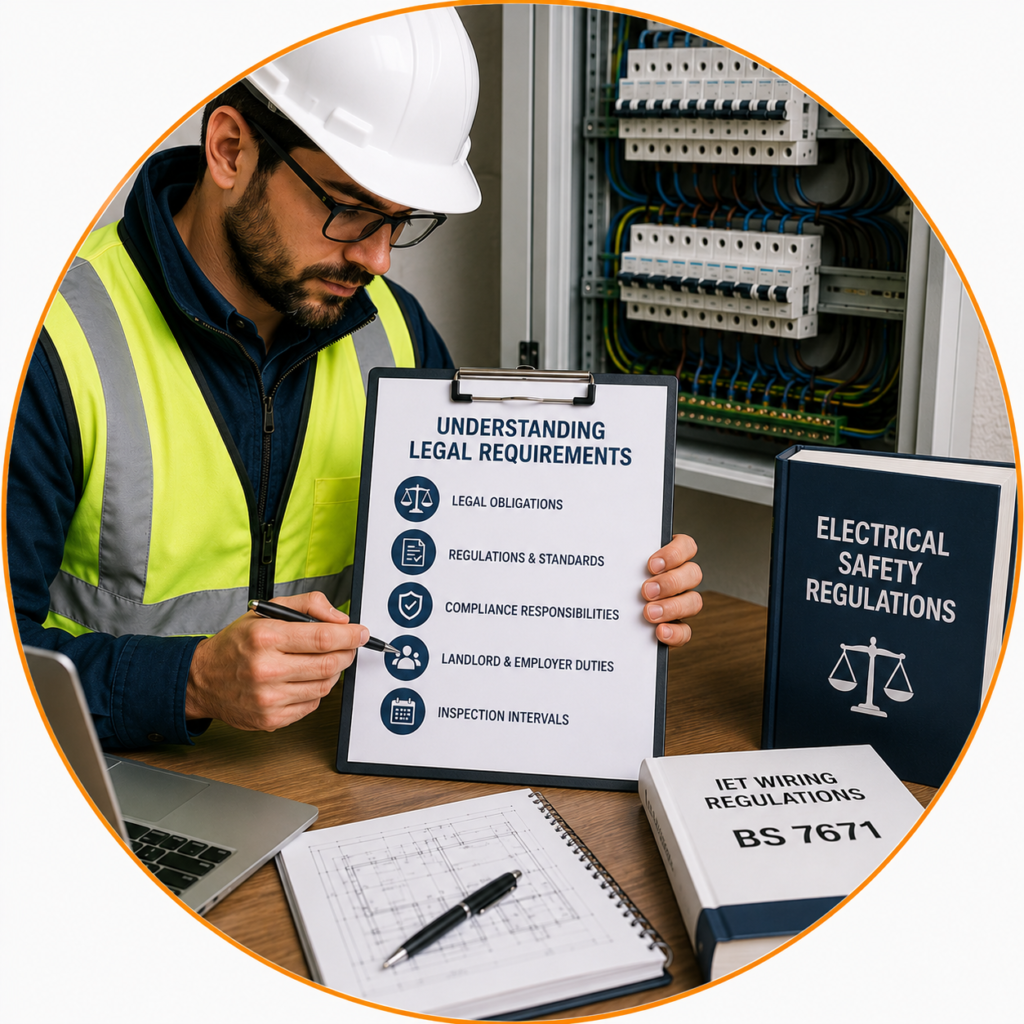
Understanding Legal Requirements
Learn about EICR legal requirements, including when electrical safety regulations apply to homes, rental properties and commercial premises.
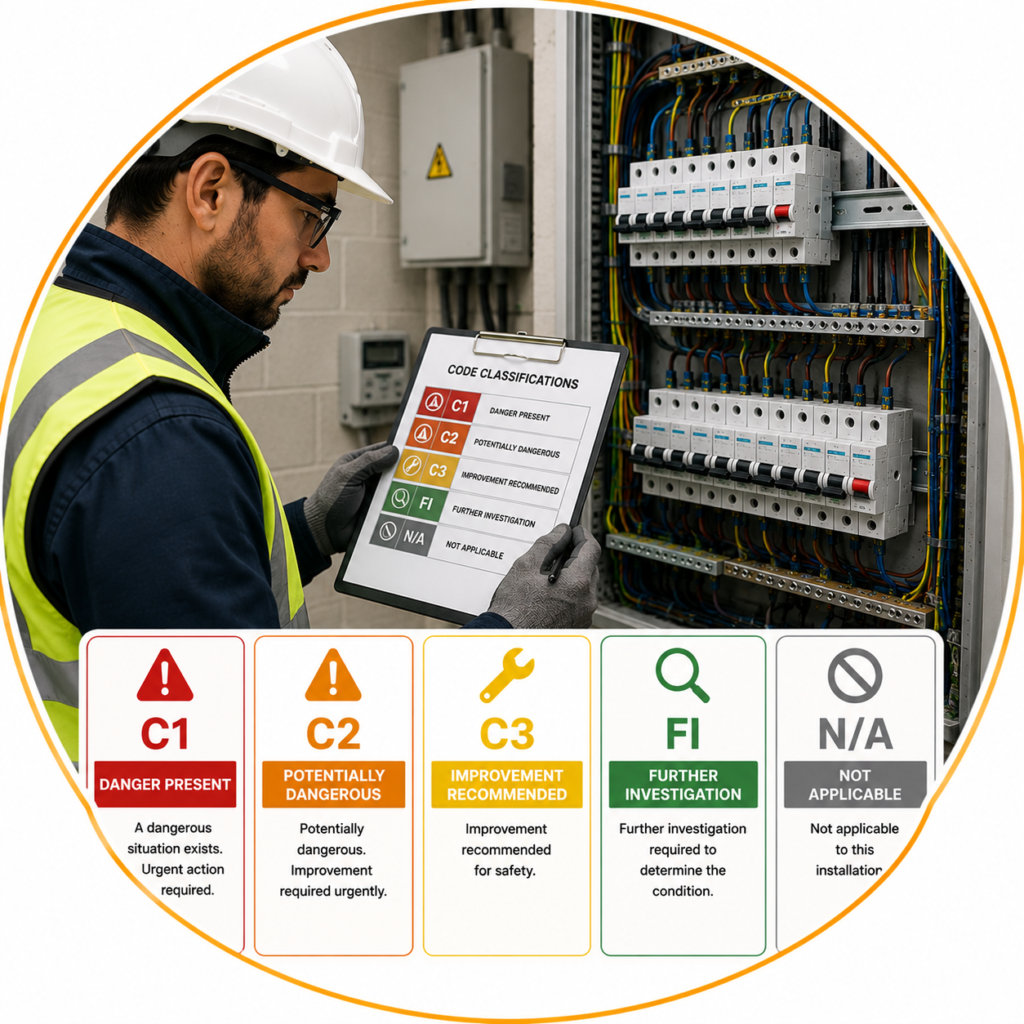
Code Classifications
Understand how EICR observations relate to legal compliance and why certain defects require prompt action.
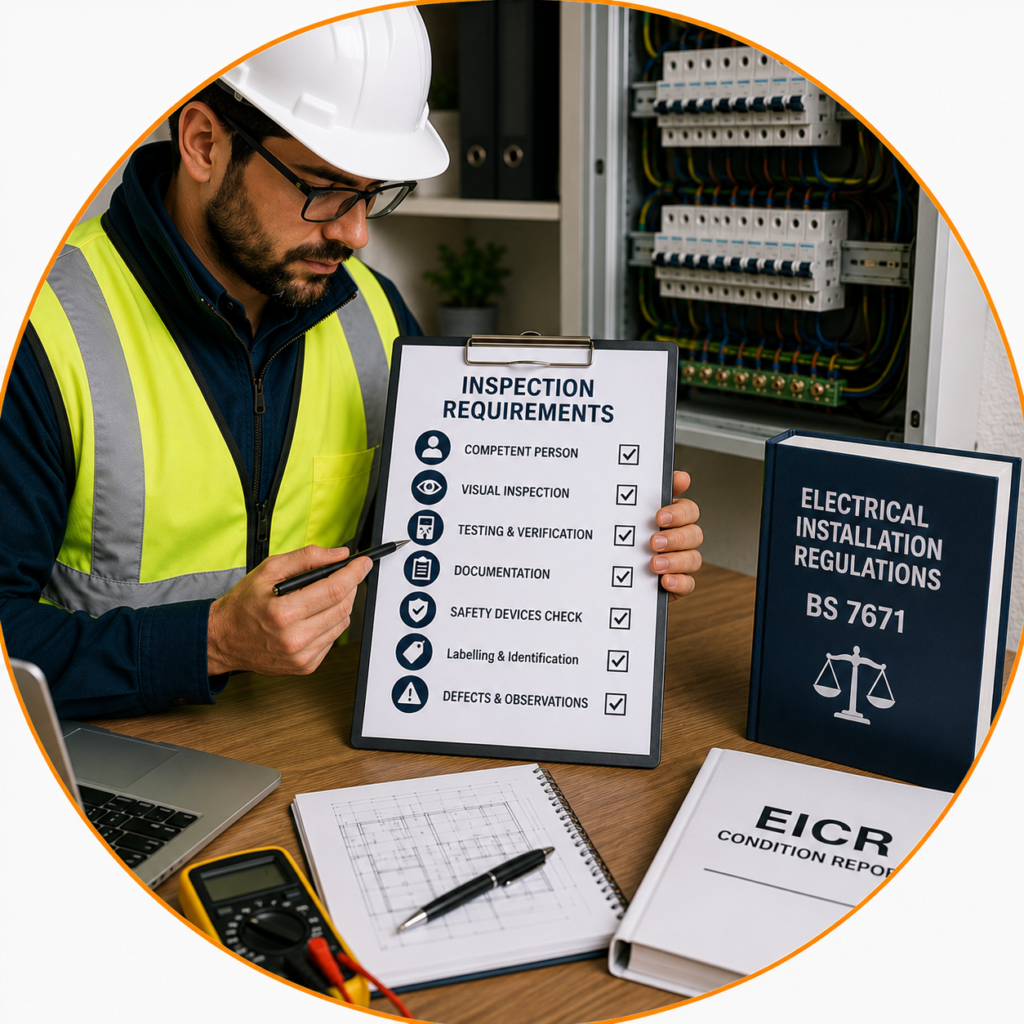
Inspection Requirements
Find out which properties require periodic EICR inspections and the factors that determine inspection intervals.

Report Interpretation
Learn how to read an Electrical Installation Condition Report and understand whether your installation meets current safety requirements.
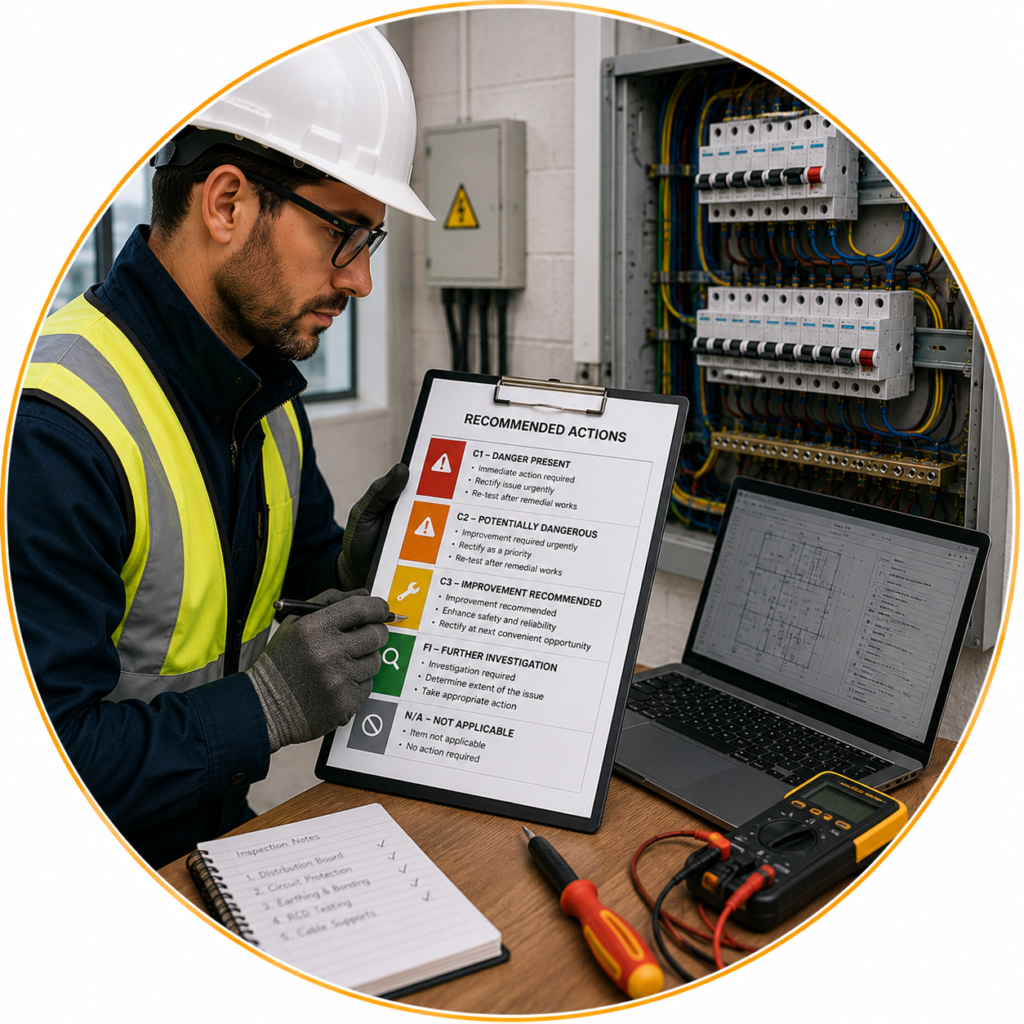
Recommended Actions
Discover the steps to take after receiving an EICR, including remedial work, further investigation and reinspection where required.
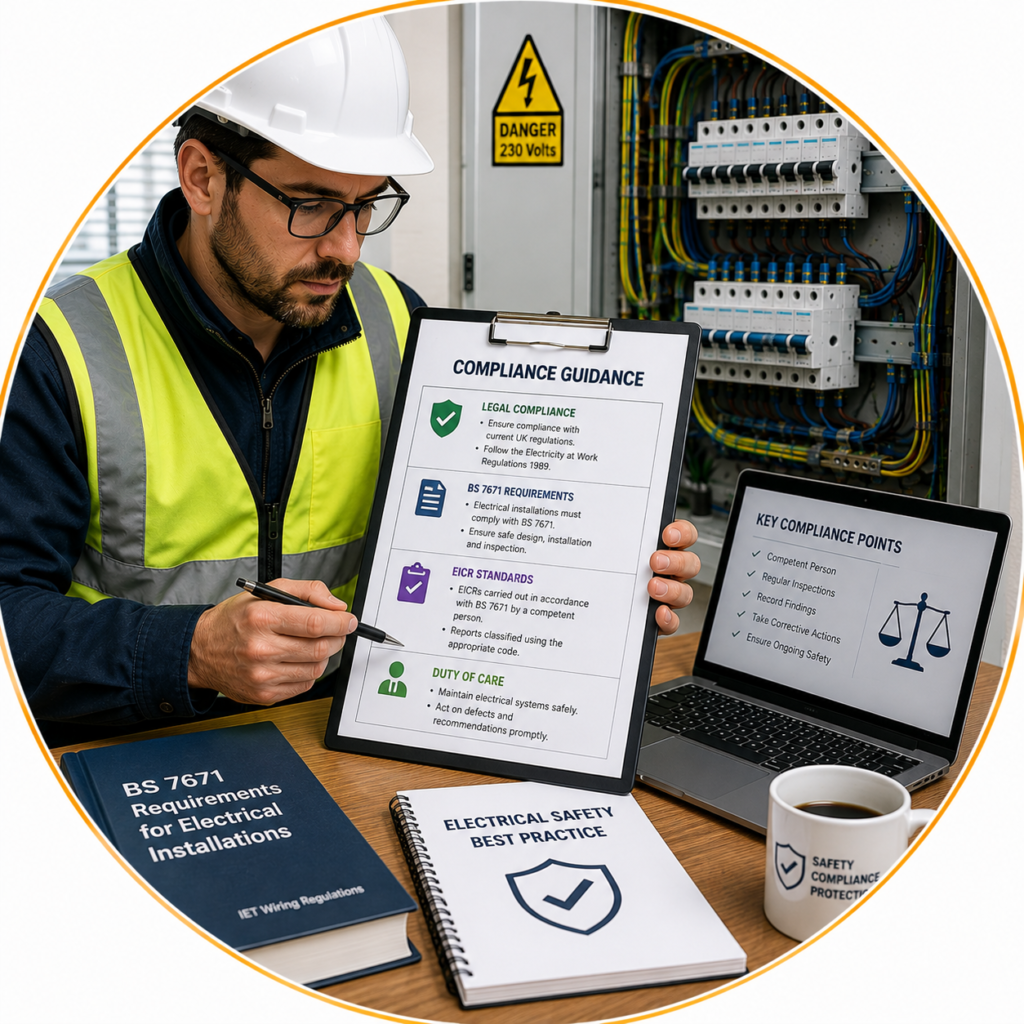
Compliance Guidance
Understand how following the Legal Requirements for EICR helps maintain electrical safety and comply with current UK regulations.
Common Areas We Check
Rental Properties
Understand EICR requirements for landlords and when inspections are required for privately rented properties.
Commercial Premises
Learn why businesses should carry out regular EICRs to help maintain safe electrical installations and meet relevant obligations.
Homeowners
Find out when homeowners should arrange an EICR to monitor the condition of their electrical installation.
Inspection Intervals
Learn how EICR inspection requirements can vary for different property types and electrical installations.
Electrical Safety Regulations
Understand how current electrical safety regulations influence EICR requirements and compliance.
BS 7671 Compliance
Discover how regular inspections help maintain compliance with BS 7671 and support long-term electrical safety.
Why Choose Us
Easy-to-Understand Explanations
We explain the Legal Requirements for EICR in clear, straightforward language without unnecessary technical terms.
Up-to-Date Information
Our guidance reflects current UK electrical safety regulations and recognised industry standards.
Practical Compliance Advice
Learn who needs an EICR, when it is required and the steps to remain compliant.
Trusted Electrical Knowledge
Helping homeowners, landlords and businesses understand their legal responsibilities with confidence.
Our process
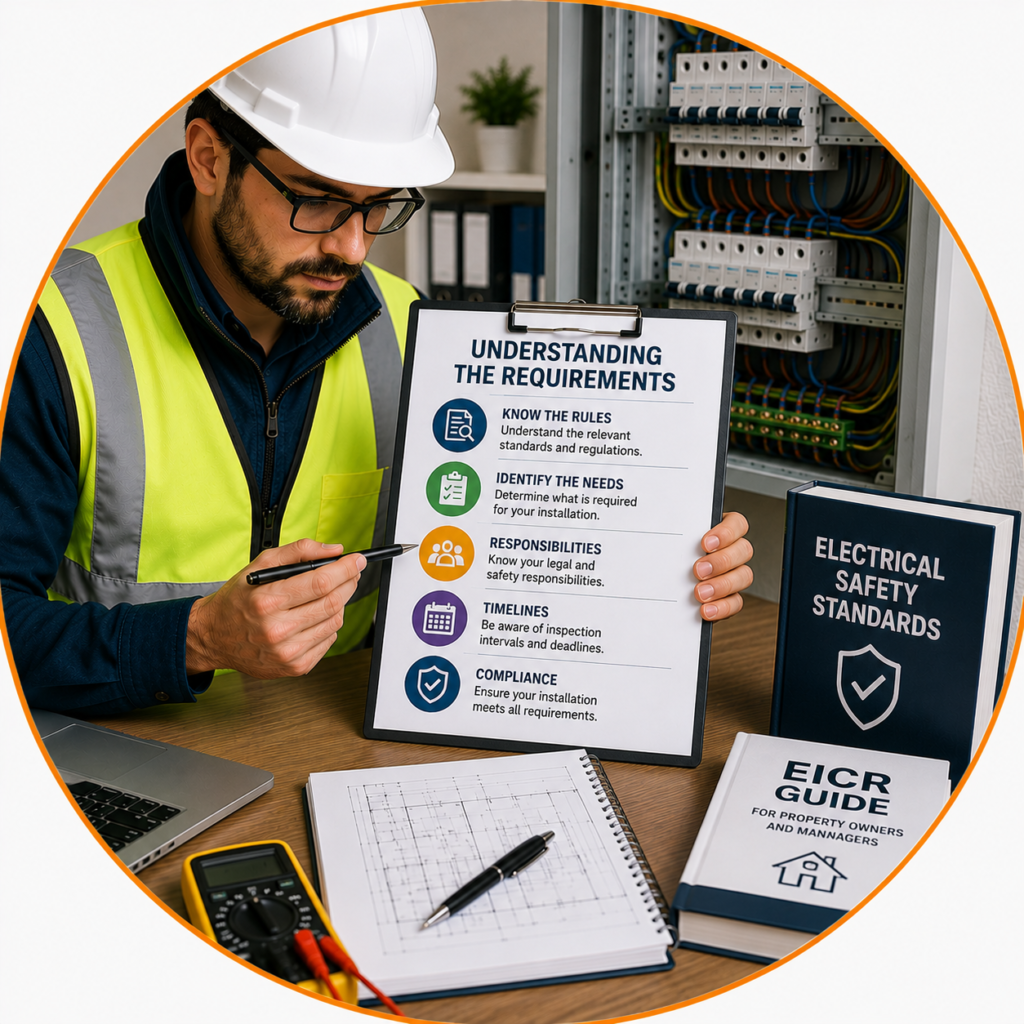
Understanding the Requirements
Understand when an EICR is legally required and which current electrical safety regulations apply.
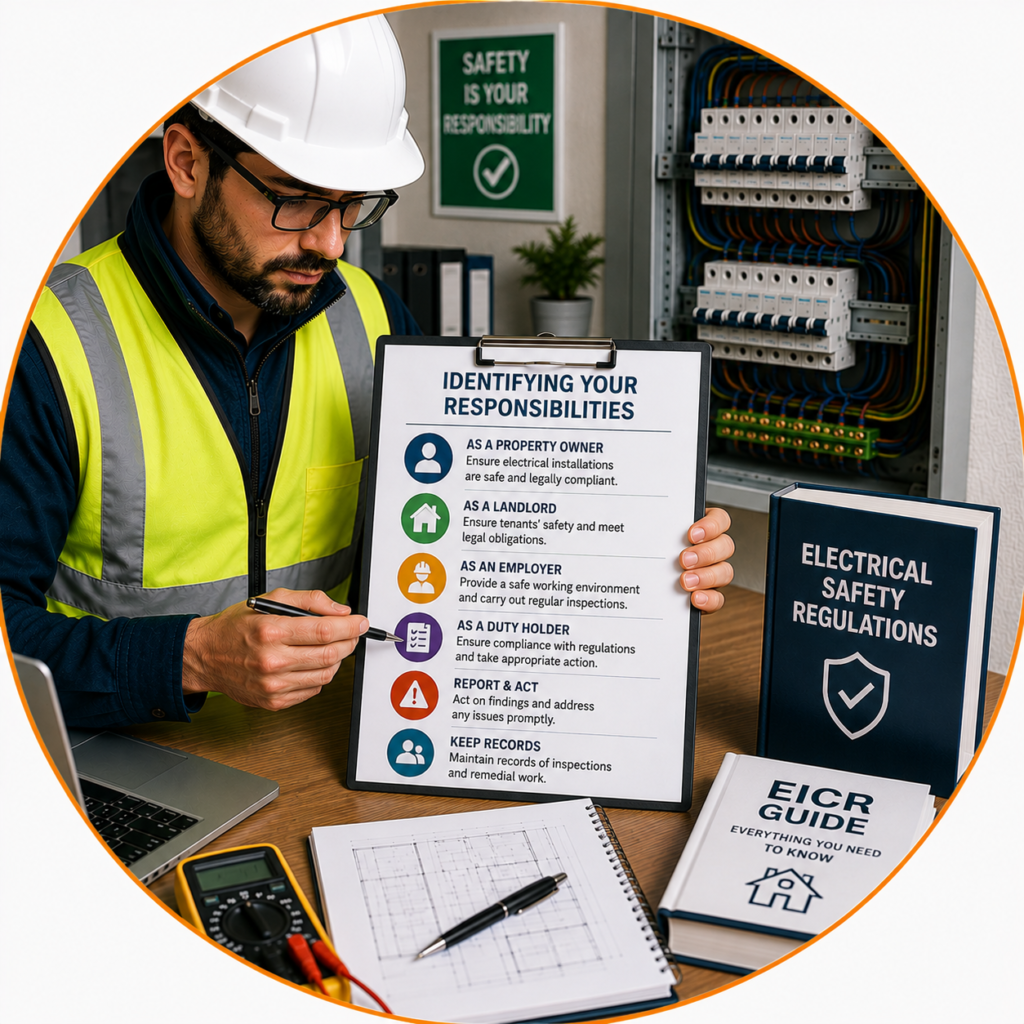
Identifying Your Responsibilities
Understand the legal responsibilities of homeowners, landlords and businesses regarding electrical inspections and ongoing safety.
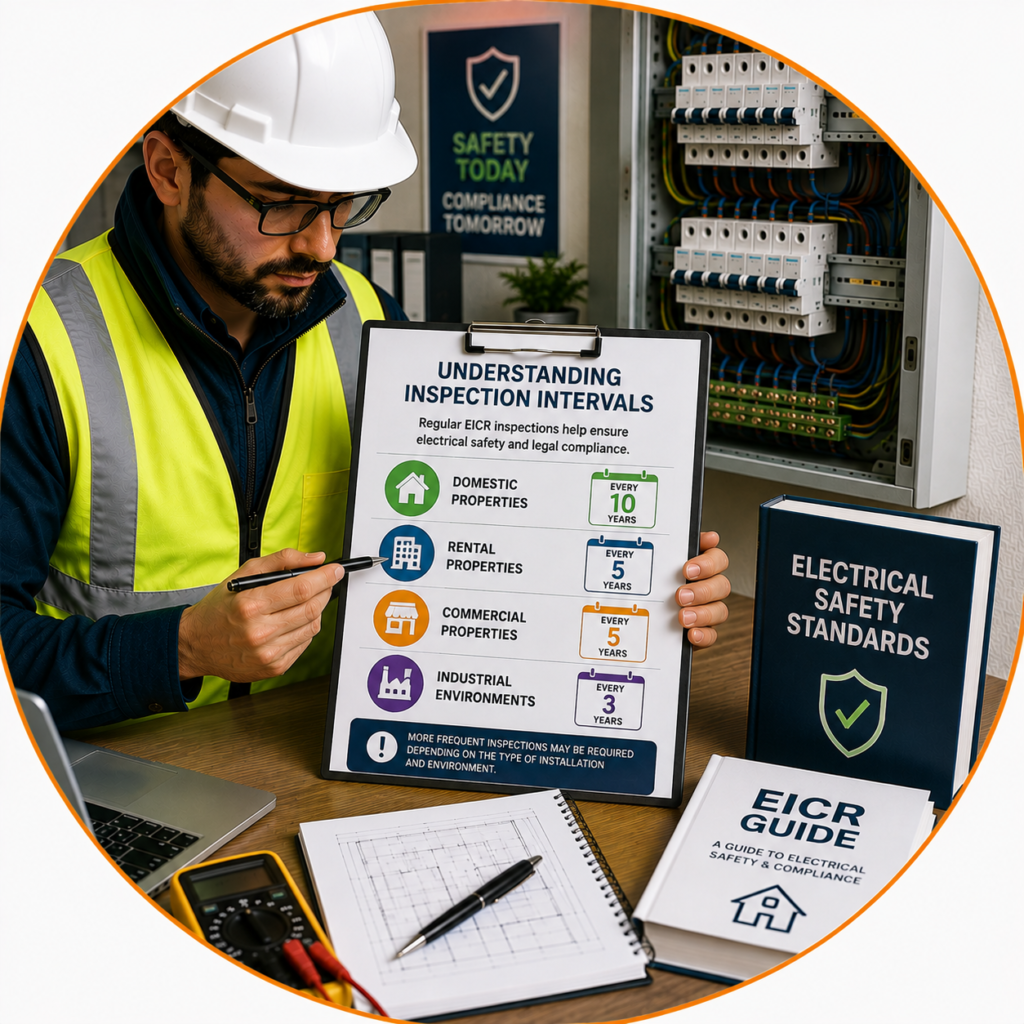
Understanding Inspection Intervals
Discover the recommended inspection frequencies for different property types and why regular EICRs are important.
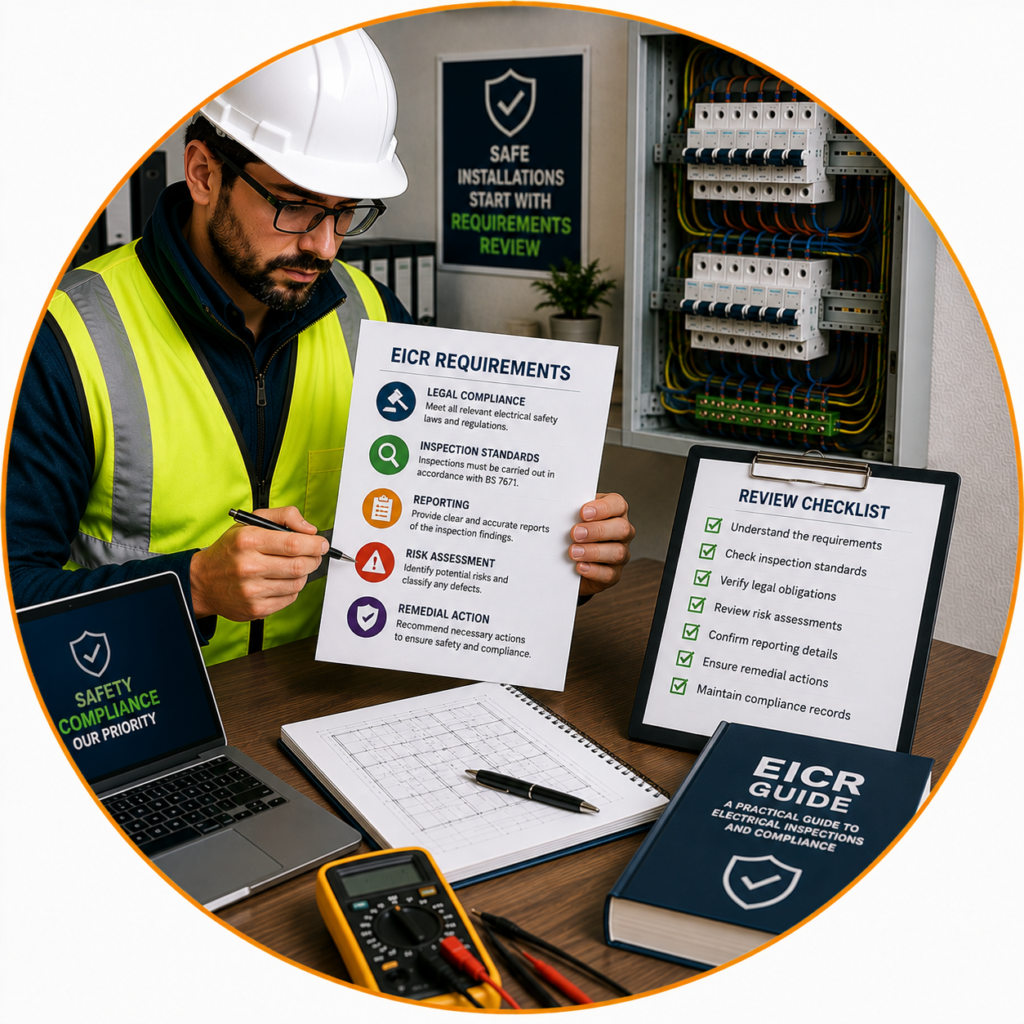
Reviewing the Requirements
Learn how legal requirements vary depending on the type of property, its use and the applicable electrical safety regulations.
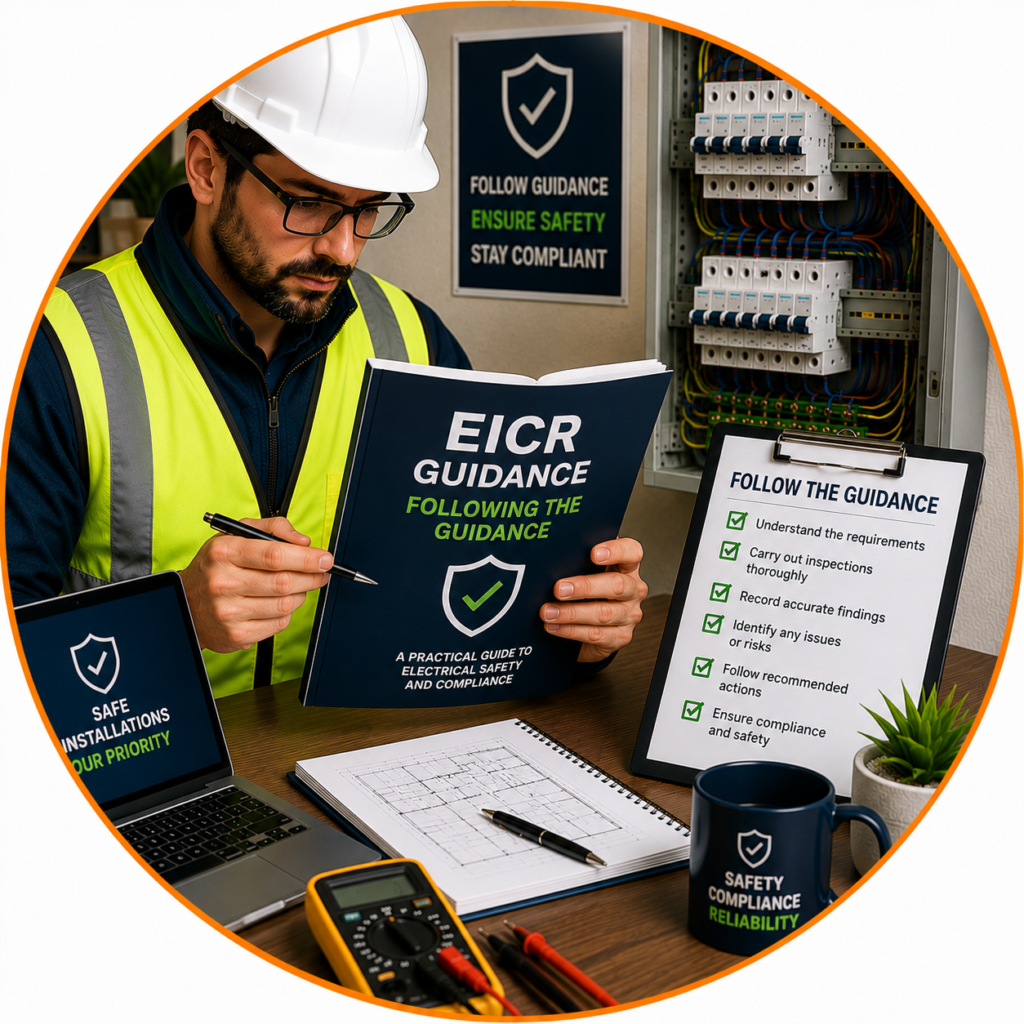
Following the Guidance
Understand the recommended actions after an EICR, including remedial work, reinspection and maintaining accurate electrical records.
Maintaining Compliance
Follow the Legal Requirements for EICR to help keep your electrical installation safe, compliant and in line with current UK regulations.
Need Advice on the Legal Requirements for EICR?
If you need help understanding the Legal Requirements for EICR, our qualified electricians can explain your legal responsibilities, inspection requirements and the next steps to help maintain a safe and compliant electrical installation.
Commercial EICR Manchester & Surrounding Areas
FAQs
The Legal Requirements for EICR outline when an Electrical Installation Condition Report is required to help ensure electrical installations remain safe and comply with current UK electrical safety regulations.
Yes. In England, landlords of privately rented properties are legally required to have a valid EICR completed at the required intervals and provide copies to tenants when requested.
Can you repair the faults after a failed EICR?
Homeowners are not generally required by law to have an EICR, but regular inspections are strongly recommended to maintain electrical safety and identify potential defects.
Commercial property owners and employers have responsibilities under health and safety legislation to maintain safe electrical installations. Regular EICRs help demonstrate compliance with these duties.
Inspection intervals vary depending on the property type and its use. Rental, commercial and industrial premises often require more frequent inspections than owner-occupied homes.
An unsatisfactory EICR indicates that defects have been identified. Remedial work or further investigation may be required before the electrical installation can be considered safe.
An EICR should be completed by a qualified and competent electrician with the necessary experience in electrical inspection and testing.
The Legal Requirements for EICR are supported by current electrical safety legislation and the BS 7671 Wiring Regulations, which set the standard for electrical installations.
An EICR is not usually a legal requirement when selling a property, but having a recent report can reassure buyers about the condition of the electrical installation.
Where can I get advice about the Legal Requirements for EICR?
Our qualified electricians can explain the Legal Requirements for EICR, inspection intervals and compliance requirements, helping you understand your legal responsibilities and the next steps.